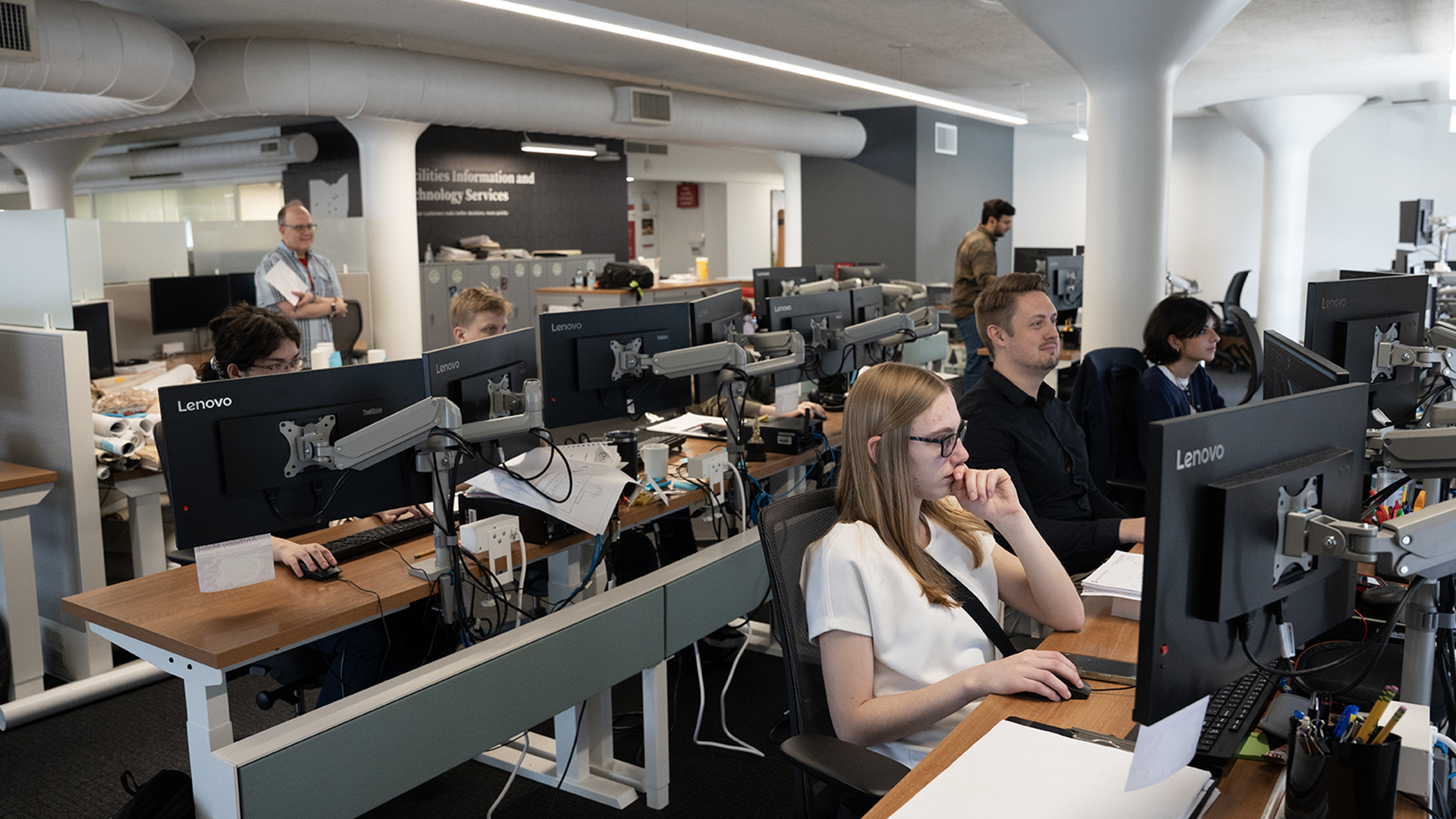
While their academic interests range from computer science and data analytics to architecture, interior design and even law, six Facilities Information and Technology Services (FITS) student employees recently shared their common experience about how they’ve gained valuable professional skills while contributing to the operations of one of the nation’s largest universities.
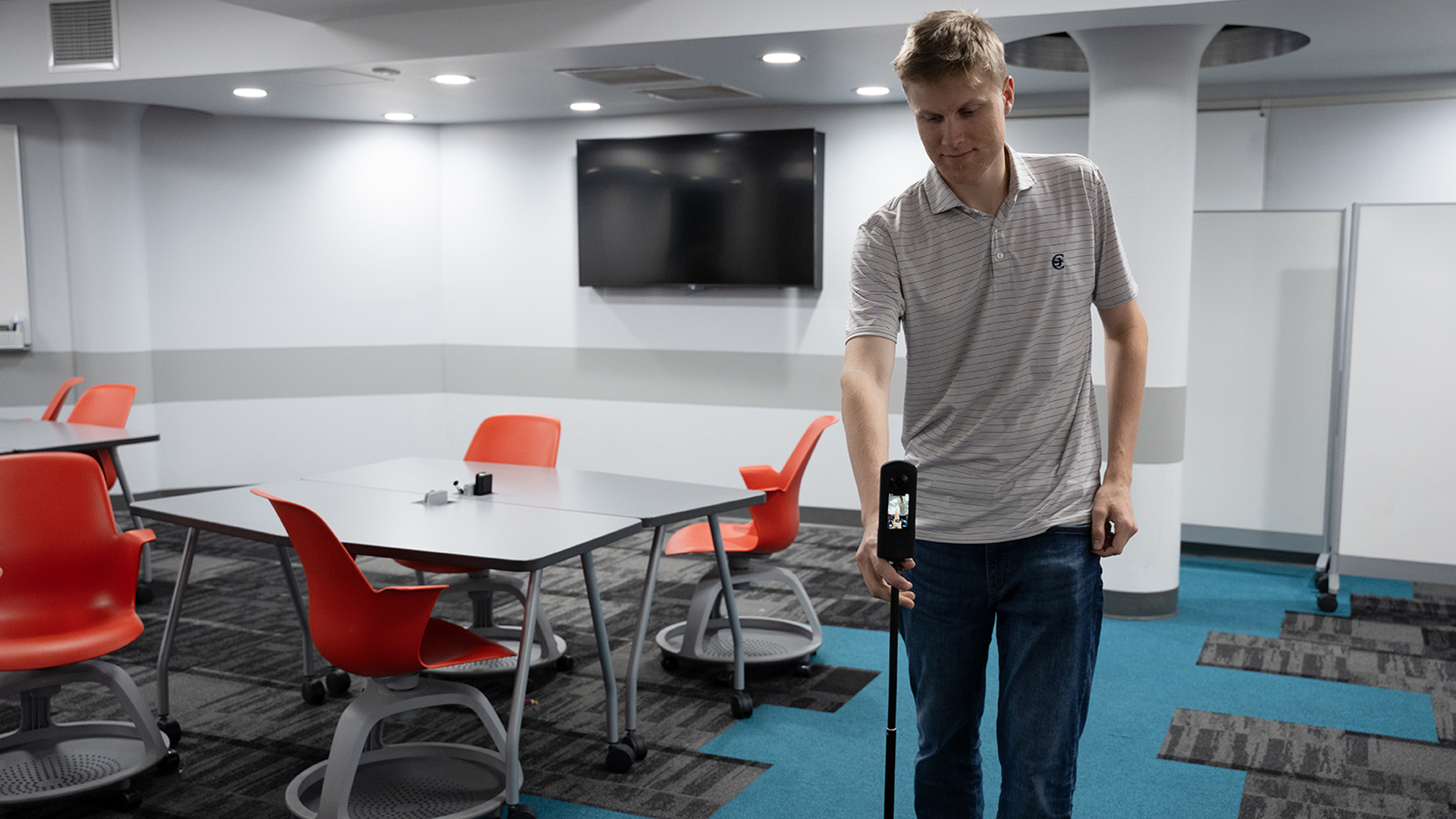
For student employees at FITS, the workday can look vastly different from one day to the next. One day might involve analyzing facilities data, updating floor plans or creating automation tools. The next could include visiting campus buildings, capturing 360-degree imagery or verifying construction information on-site.
Developing Professional Skills Beyond the Classroom
Many students said their time with FITS has helped them build skills that extend far beyond technical knowledge.
"I've learned or improved a lot of soft skills, like how to communicate things politely and concisely in a professional environment," said Anthony Malek, a student employee on the Data Services team. "I've also learned how to balance and prioritize different projects."
Hal Stoltz, another student employee on the Data Services team, echoed the importance of professional growth.
"The most valuable skill I've learned here is being responsible," said Stoltz, "At FITS, I can see just how much my actions affect the people around me."
Mitch Krenz said the role has helped him develop both technical expertise and stronger communication skills while providing a firsthand look at how the university operates.
Together, those experiences have given students an opportunity to apply classroom concepts in a real-world setting while learning how to collaborate with colleagues, manage projects and contribute to a professional team.
Turning Classroom Concepts into Real-World Experience
Students consistently cited hands-on technical experience as one of the most rewarding parts of working at FITS.
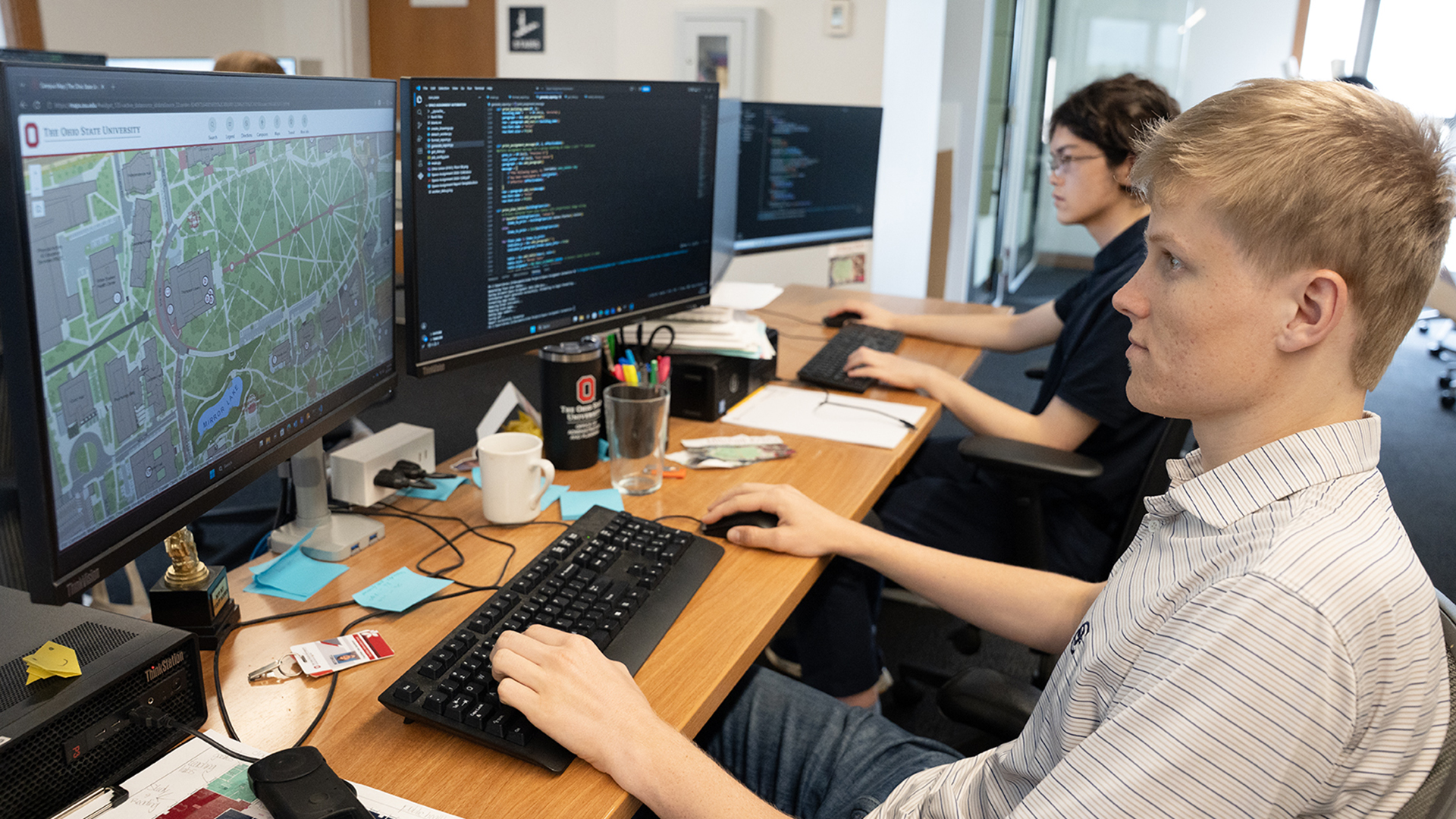
On the Data Services team, Krenz has gained experience in data collection, cleaning, visualization and analysis, while also helping automate manual processes through scripting.
Malek said his role has allowed him to develop skills in Structured Query Language (SQL), Power Query and Python while learning best practices for software testing and documentation. Much of that knowledge was acquired directly on the job.
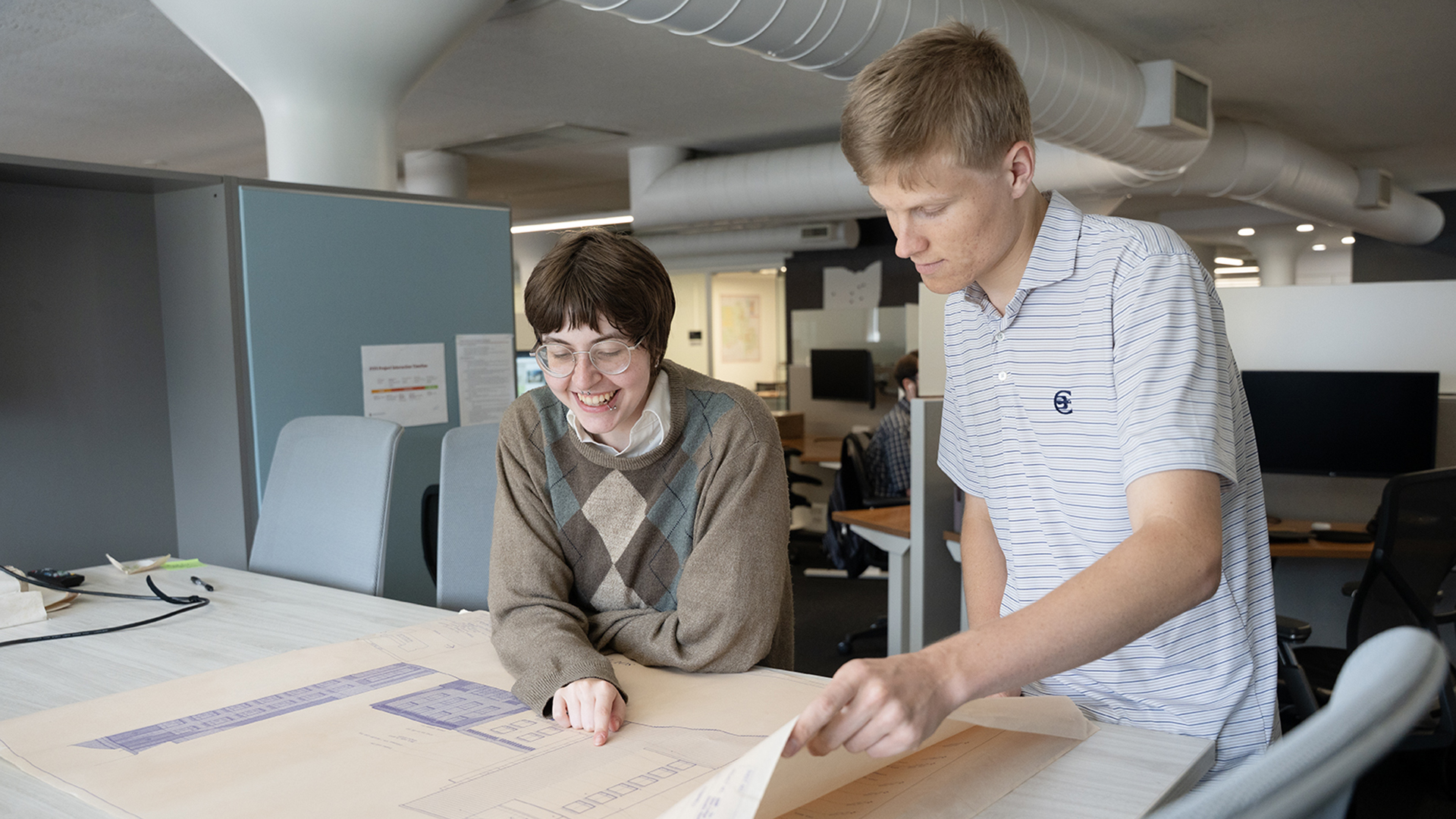
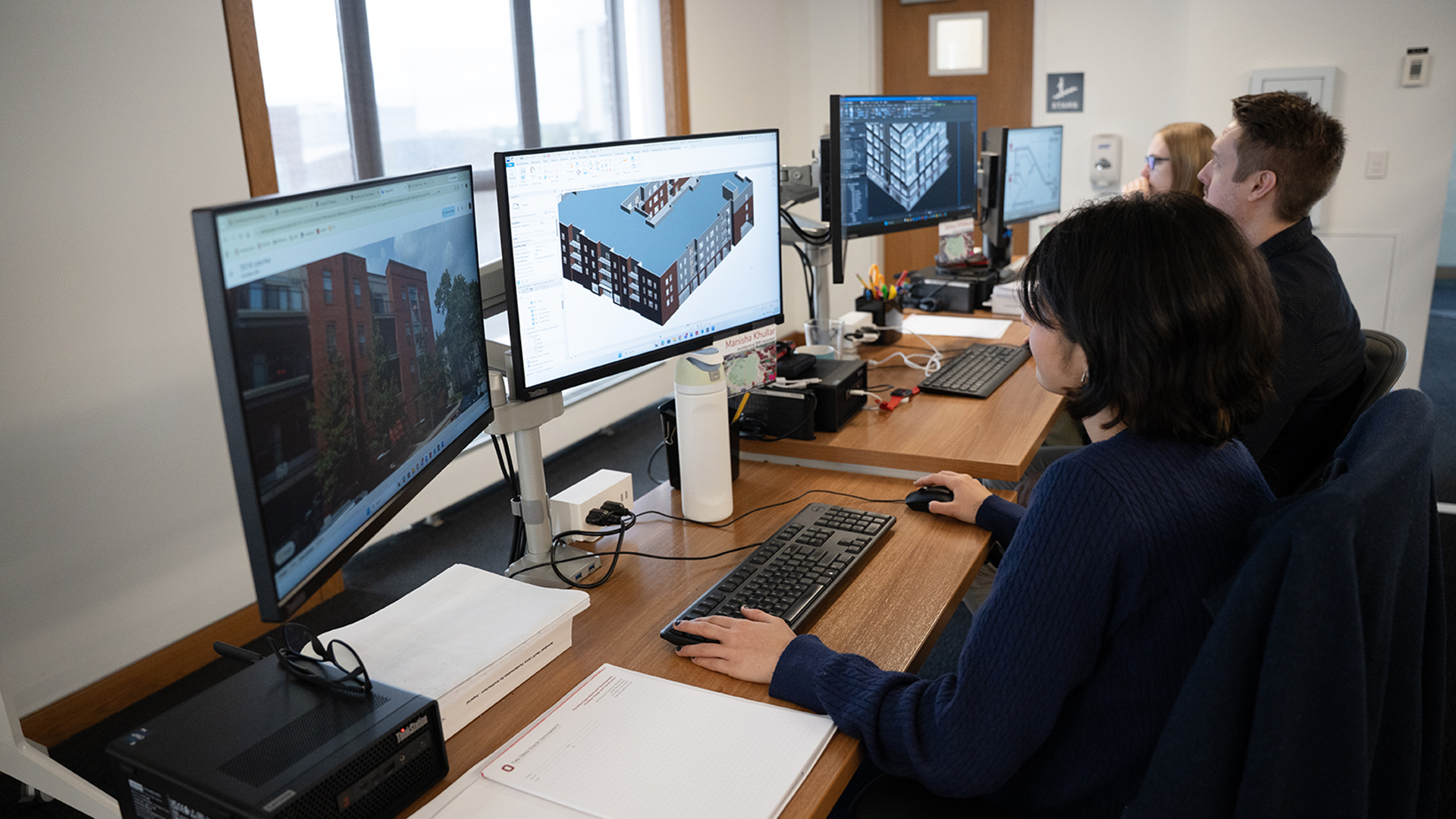
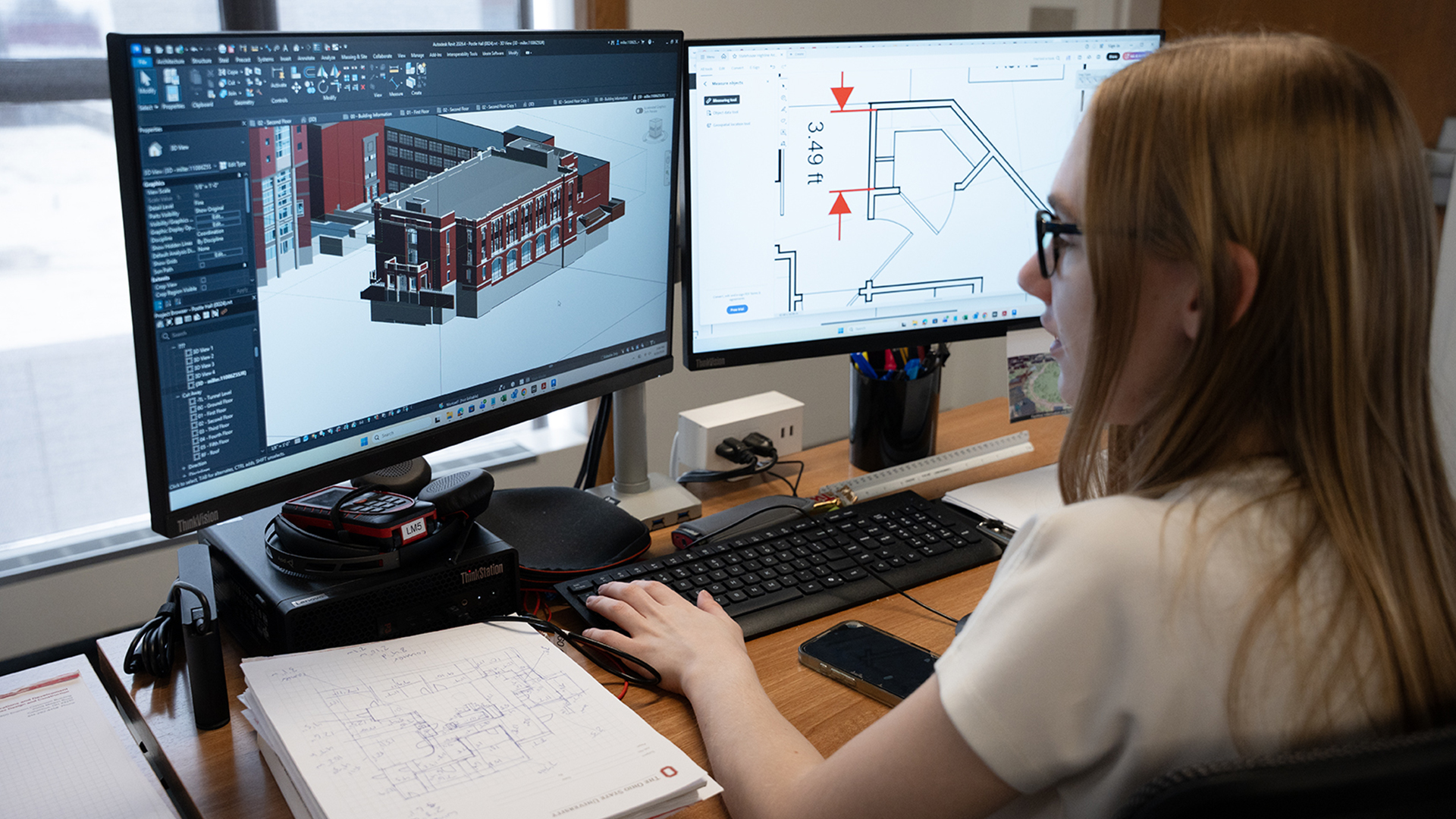
For students pursuing careers in architecture and design, FITS provides opportunities to work with industry-standard tools and technologies used throughout the profession.
James Whitlock, an Architecture BIM Assistant, said learning Revit has been one of the most valuable aspects of his experience.
"Revit is vital for architectural firms, so having this experience is great," Whitlock said.
Manisha Khullar also highlighted the importance of developing expertise with Revit while learning field verification techniques and quality-control processes used in professional practice.
When speaking with architecture firms at a recent career fair, Khullar said she was repeatedly told that proficiency with Revit is one of the most valuable skills students can bring into the workforce.
Similarly, Olivia Miller said her role has expanded her understanding of construction documents, building systems and advanced Revit techniques that complement her studies in interior design.
Exploring Campus from a New Perspective
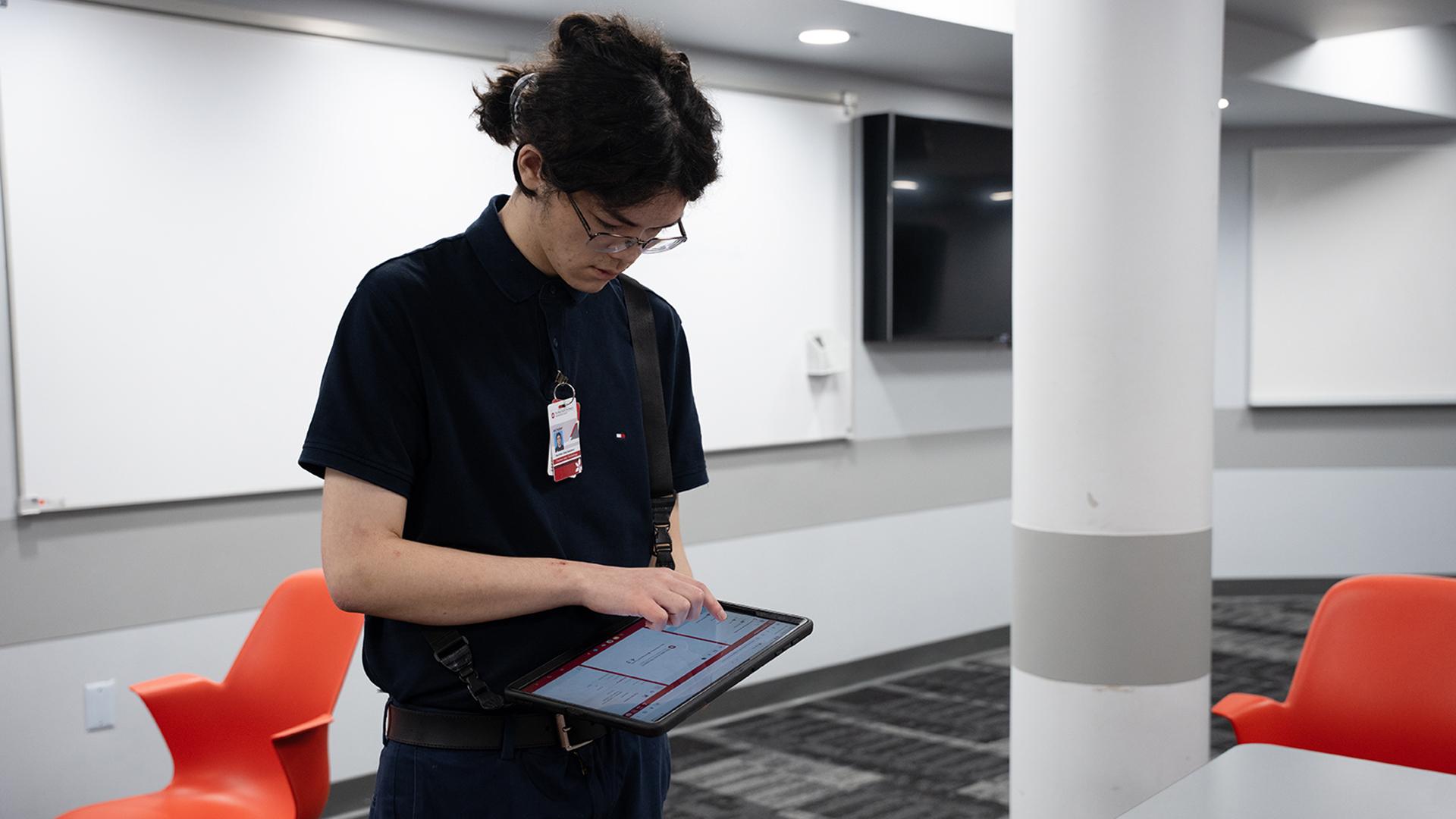
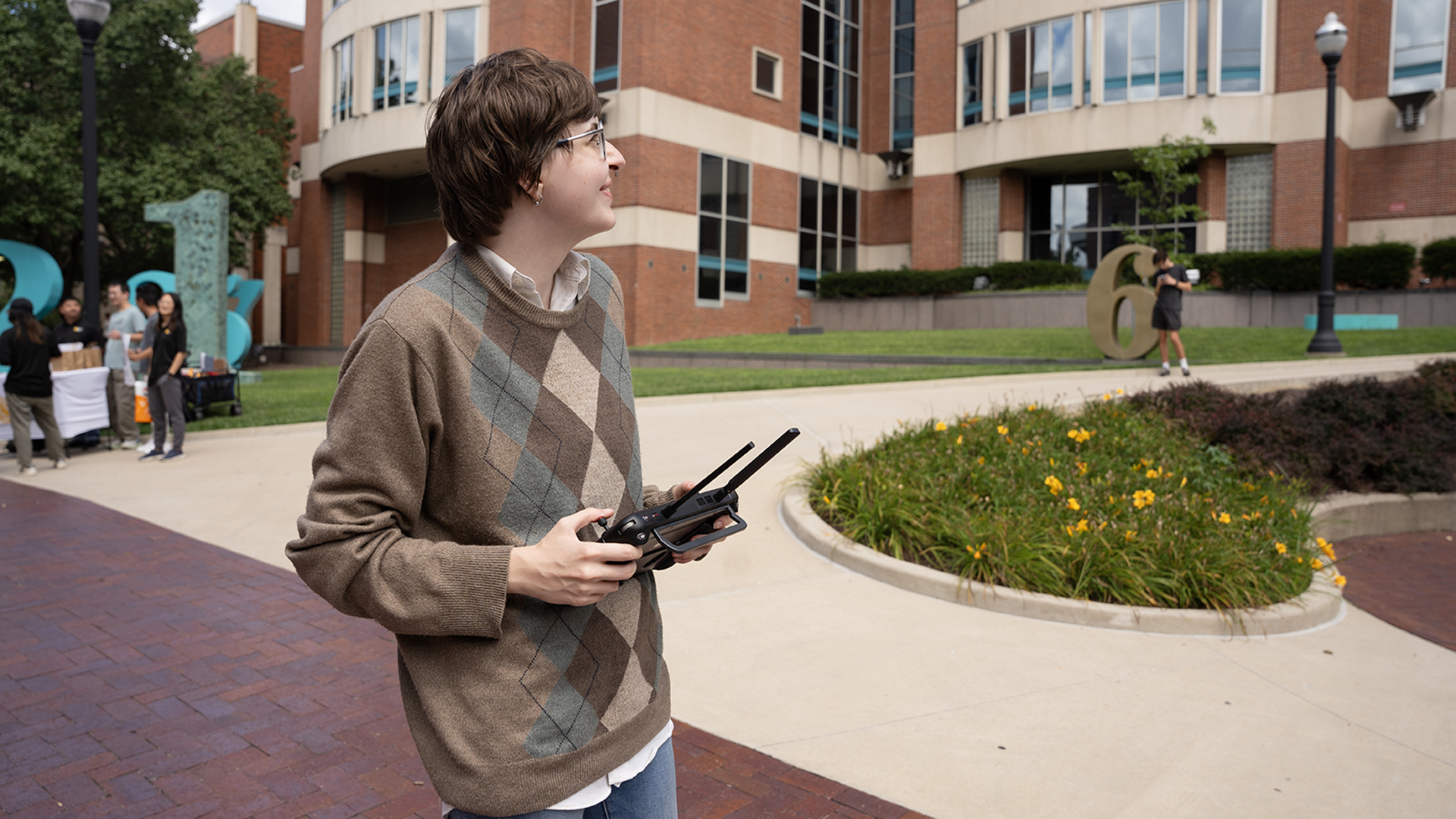
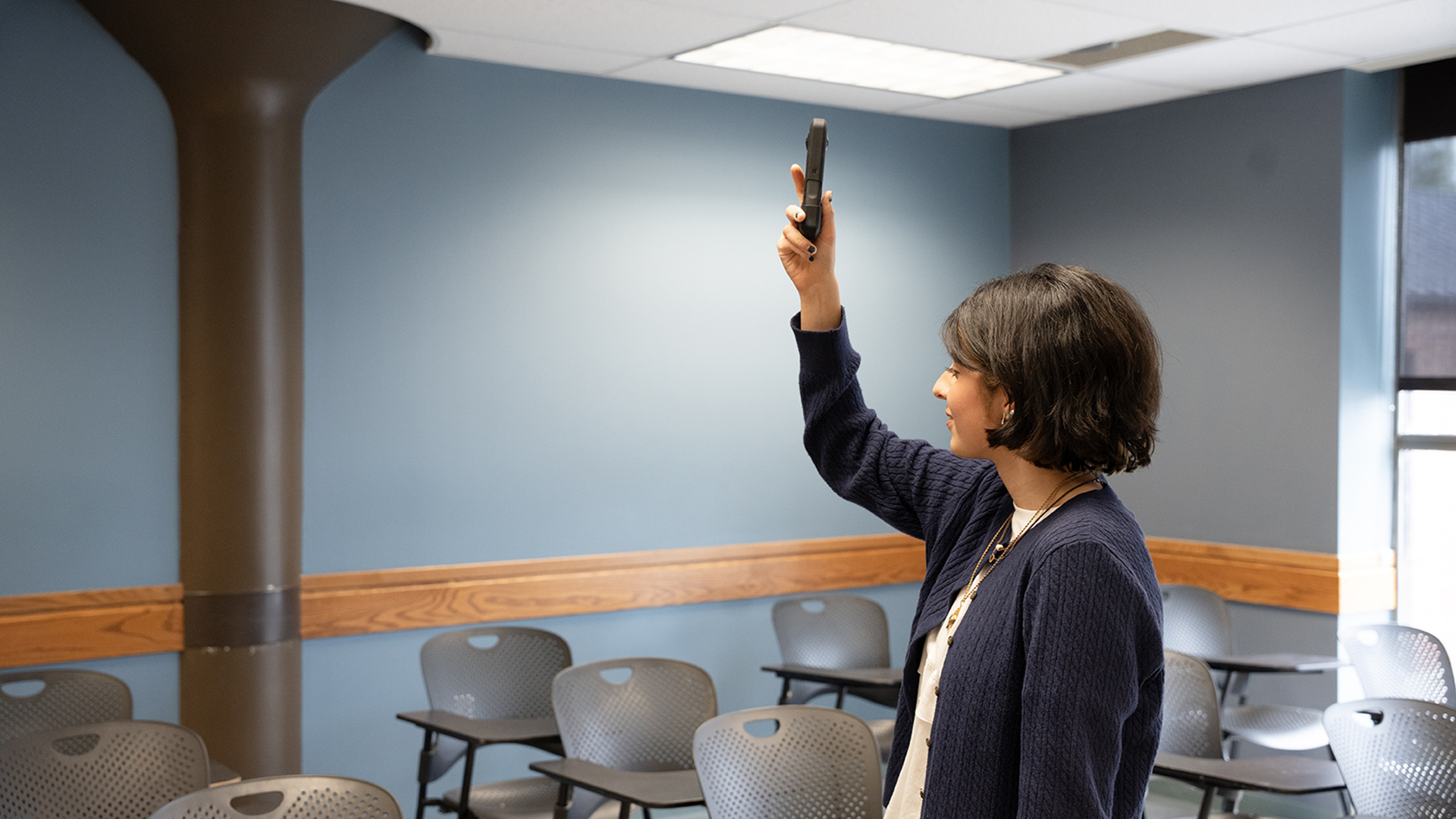
In addition to office-based projects, FITS student employees frequently conduct site visits throughout campus. During these visits, students verify floor plans, document spaces with 360-degree photography, collect measurements and help ensure facilities information remains accurate and up to date.
Krenz said building audits have given him the chance to visit facilities across the university's various campuses, providing a unique perspective on the institution's physical footprint.
Whitlock described field verification work as his favorite part of the job, while Khullar noted that site visits are often exciting because students never know exactly what they will encounter when entering a building.
Malek added that the work offers a rare look behind the scenes of a large and complex university system.
"It's a great job if you like to see different parts of campus," Malek said.
Preparing for What’s Next
Although the students have different goals after graduation, they agree that their experiences at FITS have prepared them for future career success.
Krenz hopes to pursue a career in data analytics, while Malek is considering graduate studies in computer science. Whitlock and Khullar plan to continue their architectural education, and Miller hopes to work in commercial design. Stoltz plans to attend law school after completing his undergraduate degree.
Despite those varied aspirations, the students pointed to many of the same benefits: professional communication, technical expertise, problem-solving, teamwork and hands-on experience.
Just as importantly, many emphasized the supportive work environment and the relationships they have built with colleagues and fellow student employees.
"Everyone is kind and respectful in a way that has encouraged me to excel in the work that I do," Stoltz said. "I don't feel pressured to be perfect. I feel motivated to be an asset to my team."
For students looking to gain practical experience while making meaningful contributions to Ohio State’s facilities operations, FITS provides opportunities to learn, grow and build a foundation for future success.